Healthcare
Infectious Diseases
Persistent Global Threats to Public Health
Infectious diseases remain among the leading causes of illness and death worldwide, particularly in regions where healthcare systems face significant resource constraints. Despite substantial advances in medicine, vaccination programs, and disease surveillance, many infectious diseases continue to affect millions of people every year.
According to the World Health Organization, infectious diseases such as malaria, tuberculosis, HIV/AIDS, and a range of neglected tropical diseases continue to place a major burden on global health systems. These diseases disproportionately affect low- and middle-income countries, where limited healthcare infrastructure and socioeconomic inequalities can facilitate disease transmission.
Although many infectious diseases are preventable or treatable, gaps in access to healthcare services, diagnostics, and preventive measures allow these conditions to persist across large regions of the world.
Major Infectious Diseases Affecting Global Health
Several infectious diseases continue to represent significant global health challenges.
Malaria
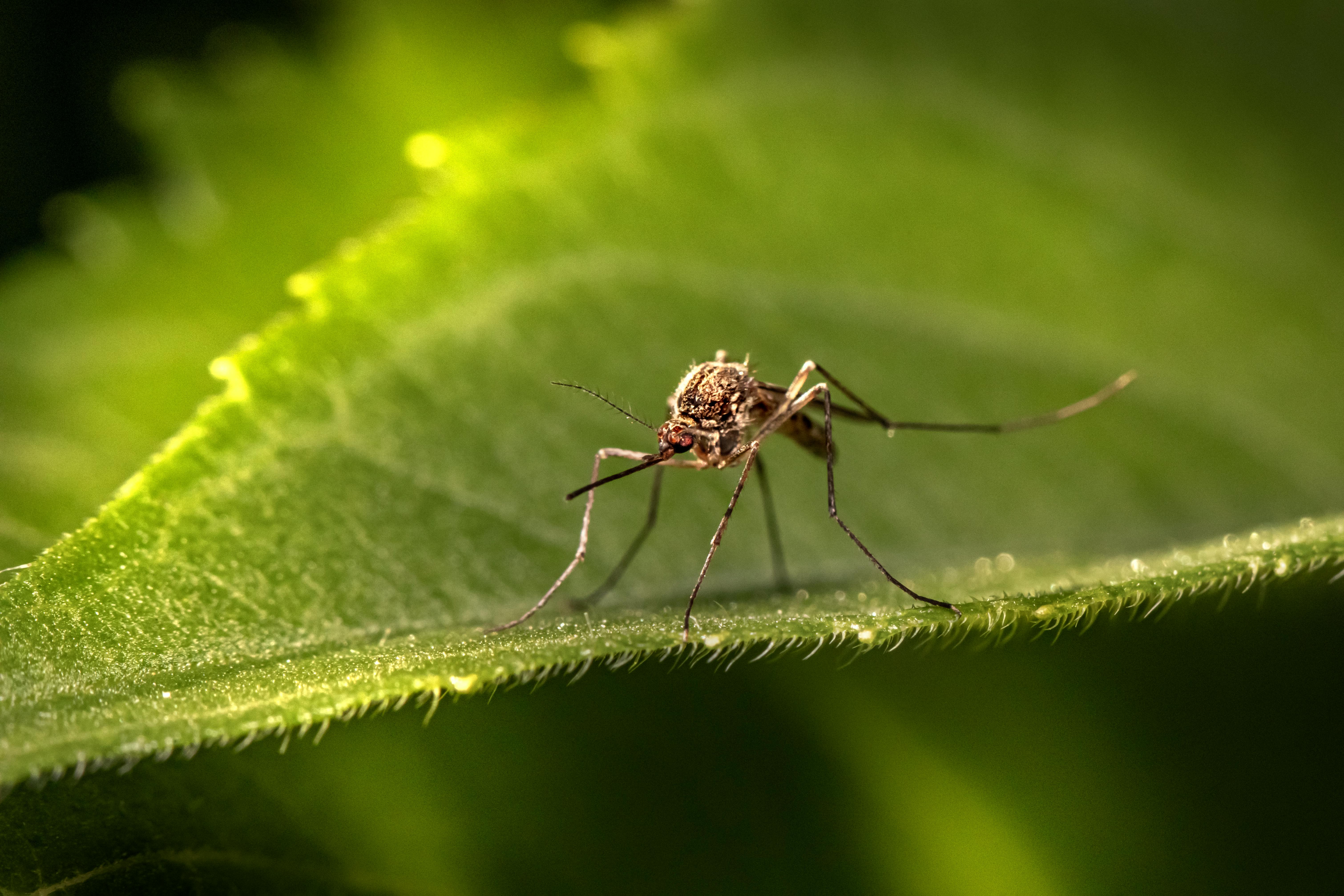
Malaria remains one of the most widespread vector-borne diseases worldwide. According to the World Health Organization World Malaria Report, there were approximately 249 million malaria cases globally in 2022, resulting in more than 600,000 deaths. The vast majority of these deaths occur among children under the age of five in sub-Saharan Africa.
Malaria transmission is closely linked to environmental conditions, mosquito exposure, and access to preventive tools such as insecticide-treated bed nets and antimalarial medications.
Tuberculosis
Tuberculosis (TB) remains one of the deadliest infectious diseases globally. Data from the World Health Organizationindicate that over 10 million people develop tuberculosis each year, and approximately 1.3 million people die annually from the disease.
Although tuberculosis is both preventable and curable, delayed diagnosis, treatment interruptions, and drug-resistant strains continue to pose significant public health challenges.
HIV/AIDS
HIV remains a major global health concern. According to estimates from the UNAIDS, nearly 39 million people worldwide are living with HIV. While antiretroviral therapies have significantly improved life expectancy for individuals living with HIV, access to testing, treatment, and prevention services remains uneven across regions.
Neglected Tropical Diseases
Neglected tropical diseases (NTDs) represent a group of infectious diseases that primarily affect populations living in tropical and subtropical environments. These diseases—including dengue, leishmaniasis, and schistosomiasis—affect more than one billion people globally, according to the World Health Organization.
NTDs often thrive in conditions associated with poverty, inadequate sanitation, and limited access to healthcare services.
Determinants of Infectious Disease Transmission
The persistence and spread of infectious diseases are influenced by a complex set of environmental, socioeconomic, and health system factors.
Limited Access to Healthcare
Early detection and treatment are essential to controlling infectious diseases. In regions where healthcare facilities and diagnostic laboratories are scarce, infections may remain undetected for extended periods, allowing disease transmission to continue within communities.
Weak Public Health Infrastructure
Effective disease control relies on surveillance systems capable of identifying outbreaks and coordinating responses. Many health systems lack the resources required to monitor infectious disease patterns adequately.
Poor Sanitation and Living Conditions
Inadequate access to clean water, sanitation, and hygiene services significantly increases the risk of infectious disease transmission. These conditions can facilitate the spread of waterborne and vector-borne diseases.
Environmental and Climate Factors
Climate change, urbanization, and environmental degradation are increasingly recognized as factors influencing the spread of infectious diseases. Changes in temperature and rainfall patterns can alter the habitats of disease-carrying vectors such as mosquitoes.
Global Efforts to Control Infectious Diseases
Over the past several decades, coordinated global health initiatives have achieved significant progress in controlling many infectious diseases. Expanded vaccination campaigns, improved diagnostic technologies, and the development of effective treatments have saved millions of lives.
However, continued investment in public health infrastructure, disease surveillance systems, and preventive strategies remains essential to reducing the global burden of infectious diseases.
International cooperation among governments, public health institutions, and humanitarian organizations continues to play a crucial role in addressing emerging health threats and strengthening the capacity of health systems to respond to infectious disease outbreaks.
Sources: World Health Organization, UNAIDS, Centers for Disease Control and Prevention.