Healthcare
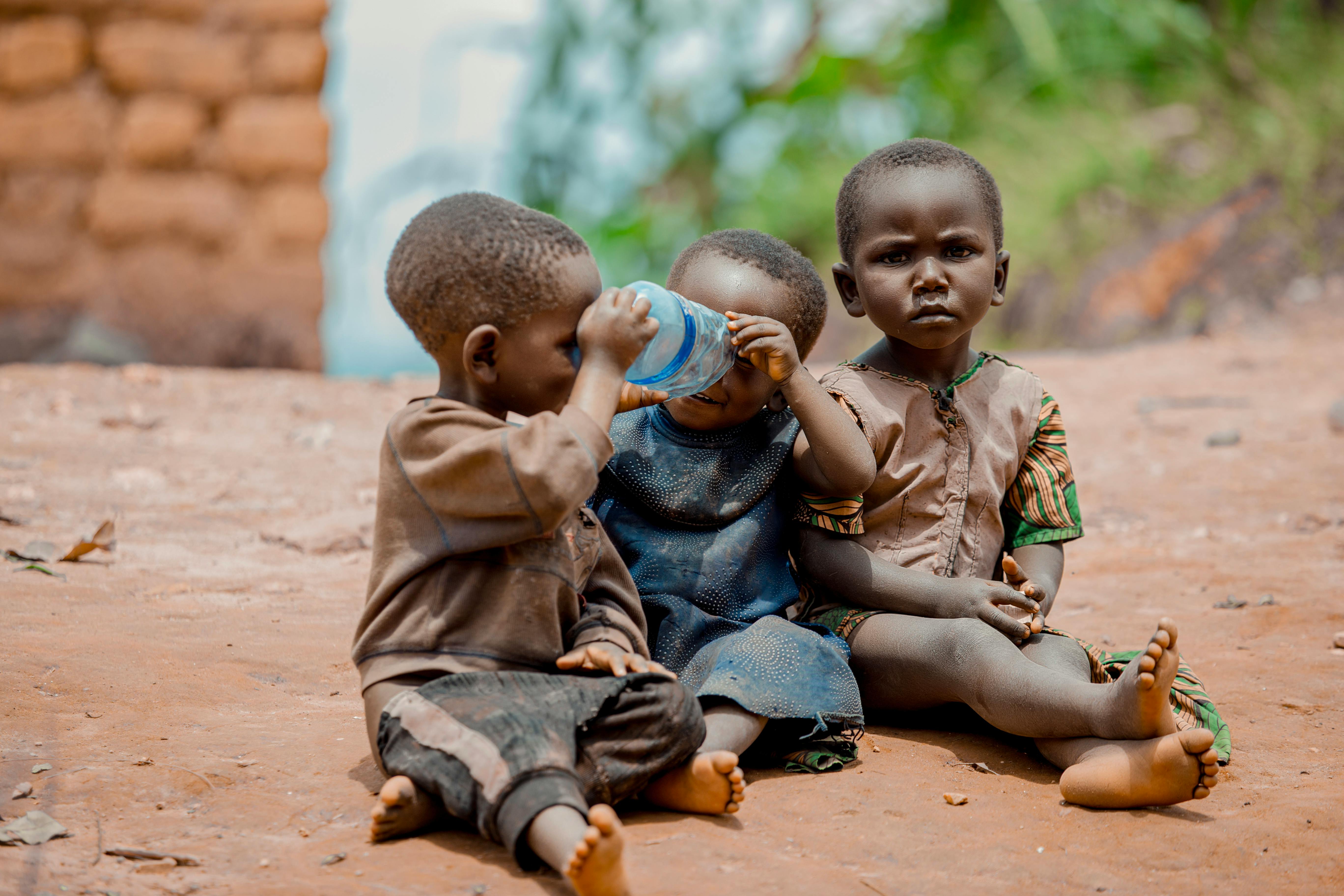
A Major Determinant of Child Health Worldwide
Malnutrition remains one of the most significant threats to child health and development globally. Despite advances in food production, healthcare, and public health interventions, millions of children continue to suffer from inadequate nutrition during the most critical periods of growth and development.
According to estimates from the World Health Organization and UNICEF, malnutrition contributes to nearly half of all deaths among children under five years of age. Undernutrition weakens immune systems, increases vulnerability to infectious diseases, and significantly affects cognitive and physical development.
Child malnutrition encompasses several distinct but related conditions, including stunting, wasting, and micronutrient deficiencies, each of which carries important health implications.
Global Burden of Child Malnutrition
Malnutrition continues to affect hundreds of millions of children worldwide.
According to global nutrition estimates produced by the United Nations Children's Fund, the World Health Organization, and the World Bank:
Approximately 148 million children under the age of five are affected by stunting, a condition resulting from chronic undernutrition that impairs growth and cognitive development.
Nearly 45 million children suffer from wasting, a severe form of acute malnutrition associated with rapid weight loss and increased mortality risk.
More than 340 million children worldwide experience deficiencies in essential micronutrients, such as iron, vitamin A, and iodine.
These conditions are most prevalent in regions facing food insecurity, poverty, and limited access to healthcare and sanitation services.
Types of Malnutrition Affecting Children
Stunting
Stunting occurs when children fail to achieve normal height for their age due to prolonged nutritional deprivation. This condition reflects chronic undernutrition and often develops during the first years of life.
Stunting not only affects physical growth but also has long-term consequences for brain development, educational attainment, and economic productivity later in life.
Wasting
Wasting represents acute malnutrition and occurs when children lose weight rapidly or fail to gain adequate weight relative to their height. Children affected by wasting face a significantly higher risk of mortality, particularly when severe.
Severe wasting requires urgent nutritional and medical interventions.
Micronutrient Deficiencies
Micronutrient deficiencies—sometimes referred to as "hidden hunger"—occur when diets lack essential vitamins and minerals necessary for healthy development. Deficiencies in nutrients such as iron, iodine, and vitamin A can lead to anemia, impaired immune function, developmental delays, and vision problems.
Early Childhood: A Critical Window for Development
Nutrition during early childhood plays a fundamental role in shaping lifelong health outcomes. The period between pregnancy and the first two years of life, often referred to as the first 1,000 days, is considered a critical window for physical growth and brain development.
During this period, inadequate nutrition can lead to irreversible consequences, including impaired cognitive development, weakened immune function, and increased vulnerability to chronic diseases later in life.
The World Health Organization emphasizes that improving nutrition during early childhood represents one of the most effective strategies for promoting long-term health and human development.
Structural Drivers of Malnutrition
Malnutrition rarely occurs in isolation and is often the result of multiple interacting factors.
Food Insecurity
Limited access to sufficient and nutritious food remains a major driver of undernutrition. In many regions, economic instability, climate variability, and conflict contribute to disruptions in food supply and affordability.
Poverty
Low household income reduces families' ability to access diverse and nutritious diets, healthcare services, and adequate sanitation.
Limited Access to Healthcare
Children suffering from infections or chronic illnesses require adequate healthcare support to prevent nutritional deterioration. In regions with weak healthcare systems, these services may be limited or unavailable.
Inadequate Water and Sanitation
Poor sanitation and unsafe drinking water increase exposure to infectious diseases such as diarrhea, which can severely impact nutrient absorption and contribute to undernutrition.
Global Progress and Remaining Challenges
Significant progress has been made over the past decades in reducing child malnutrition through coordinated international efforts, improved agricultural practices, and expanded nutrition programs.
However, global challenges such as economic instability, climate change, and population growth continue to threaten progress in many regions. Addressing malnutrition requires integrated approaches that combine nutrition, healthcare, sanitation, education, and social protection strategies.
Improving child nutrition remains central to achieving the objectives of Sustainable Development Goal 2, which aims to end hunger and ensure access to safe, nutritious, and sufficient food for all.
Sources: World Health Organization, UNICEF, World Bank.