Healthcare
Maternal and Child Mortality
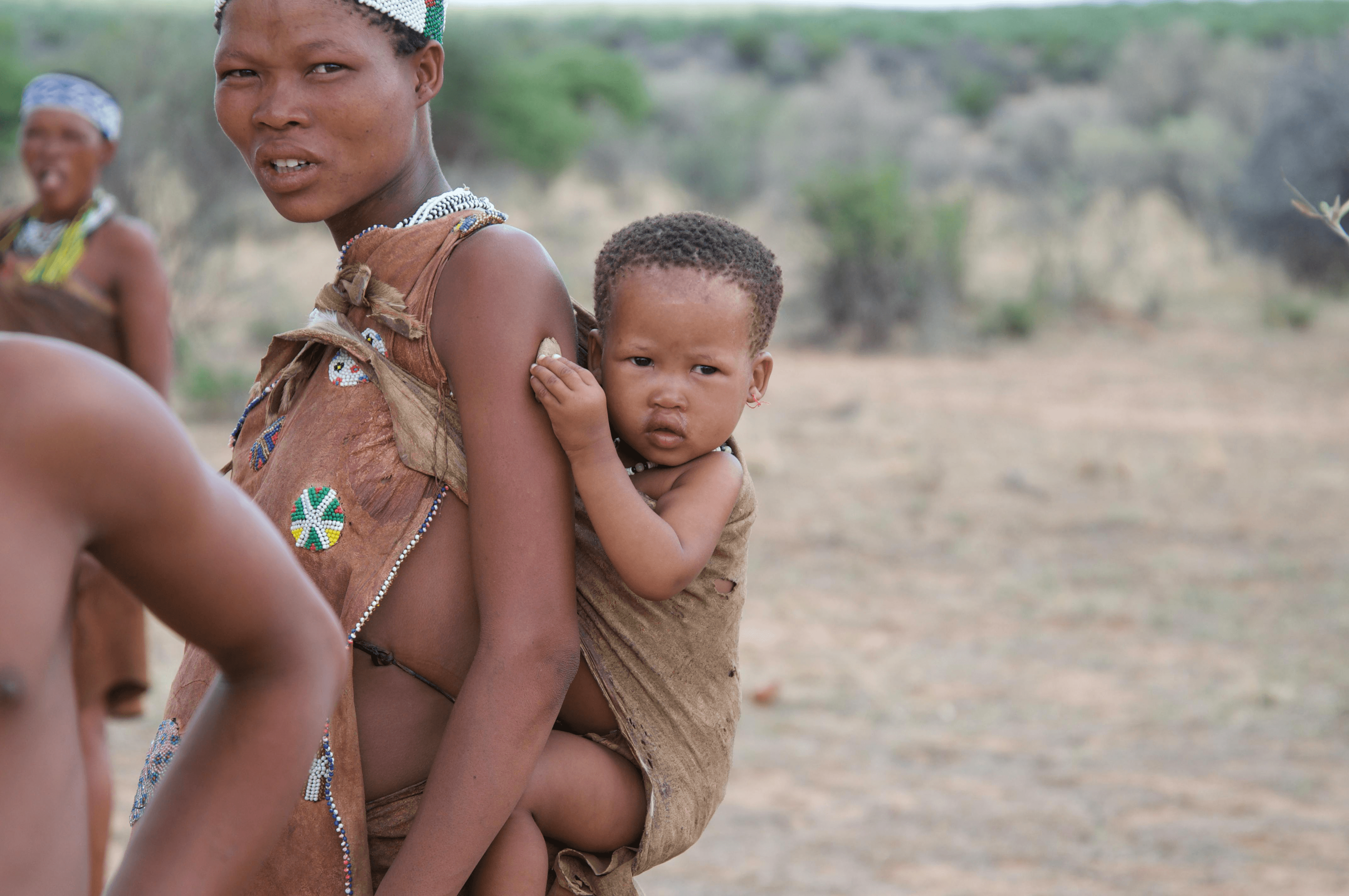
A Continuing Global Health Priority
Maternal and child health remains one of the most critical challenges in global public health. Despite substantial progress in medical science and international health initiatives over the past several decades, preventable deaths among mothers and children continue to occur at alarming rates, particularly in low- and middle-income countries.
According to the World Health Organization, an estimated 287,000 women died globally in 2020 from complications related to pregnancy and childbirth. The vast majority of these deaths occurred in resource-limited settings and were largely preventable with timely access to quality healthcare.
At the same time, child survival remains a major concern. Data from UNICEF indicate that approximately 5 million children under the age of five die each year, many from conditions that are preventable or treatable with existing medical interventions.
These deaths reflect persistent disparities in healthcare access, maternal care services, nutrition, sanitation, and public health infrastructure.
Maternal Mortality: A Preventable Tragedy
Maternal mortality refers to deaths resulting from complications during pregnancy, childbirth, or within the postpartum period. The majority of maternal deaths occur during labor, delivery, or the first days following childbirth.
The most common medical causes of maternal mortality include:
• Severe bleeding (postpartum hemorrhage)
• Hypertensive disorders such as preeclampsia and eclampsia
• Infections during pregnancy or childbirth
• Obstructed labor
• Unsafe abortions
In well-functioning healthcare systems, these complications can typically be treated through timely medical intervention. However, in many parts of the world, limited access to skilled birth attendants, emergency obstetric services, and adequate health facilities significantly increases the risk of maternal death.
According to the World Health Organization, approximately 95% of maternal deaths occur in low- and lower-middle-income countries, highlighting the profound inequalities in maternal healthcare access.
Child Mortality and Early Childhood Health
Child mortality remains closely linked to the availability of healthcare services, nutrition, and preventive interventions. Although global child mortality has declined significantly since the 1990s, millions of children continue to die each year from preventable causes.
According to UNICEF and the World Health Organization, the leading causes of death among children under five include:
• Pneumonia
• Diarrheal diseases
• Malaria
• Complications related to premature birth
• Birth asphyxia and trauma
Many of these conditions can be prevented or effectively treated through relatively simple interventions, including vaccinations, access to clean water and sanitation, adequate nutrition, and timely medical care.
Neonatal mortality—deaths occurring within the first 28 days of life—accounts for nearly half of all deaths among children under five. These deaths are often associated with complications during pregnancy and delivery, highlighting the close connection between maternal health and child survival.
Structural Determinants of Maternal and Child Mortality
Maternal and child health outcomes are influenced by a complex set of social, economic, and health system factors.
Limited Access to Skilled Birth Attendants
One of the most important determinants of maternal survival is the presence of trained healthcare professionals during childbirth. Skilled birth attendants are capable of identifying complications early and initiating life-saving interventions when necessary.
However, in many regions, particularly rural areas, childbirth often occurs without the assistance of trained healthcare providers.
Inadequate Prenatal and Postnatal Care
Regular prenatal care allows healthcare professionals to monitor pregnancy progress, detect complications early, and provide essential health guidance. In many low-resource settings, women may receive little or no prenatal care due to geographic, financial, or cultural barriers.
Postnatal care is equally important, as the days and weeks following childbirth are critical for both maternal and newborn health.
Malnutrition
Maternal malnutrition significantly increases the risk of pregnancy complications, low birth weight, and neonatal mortality. In many regions, women enter pregnancy with pre-existing nutritional deficiencies that affect both maternal and child health outcomes.
Weak Health Systems
Fragile health systems often lack adequate infrastructure, medical supplies, and trained personnel to manage obstetric emergencies and provide comprehensive maternal and child health services.
Global Progress and Remaining Challenges
Over the past several decades, international efforts have contributed to significant reductions in maternal and child mortality. Expanded vaccination coverage, improved nutrition programs, and increased access to skilled birth attendants have saved millions of lives.
However, progress remains uneven. Many countries continue to face structural barriers that limit access to essential maternal and child healthcare services.
Reducing maternal and child mortality remains a central objective of Sustainable Development Goal 3, which aims to ensure healthy lives and promote well-being for all at all ages.
Achieving this objective will require sustained investment in maternal health services, strengthened healthcare systems, improved nutrition, and expanded access to preventive care.
Source: World Health Organization, UNICEF.