Healthcare
Shortage of Healthcare Workers
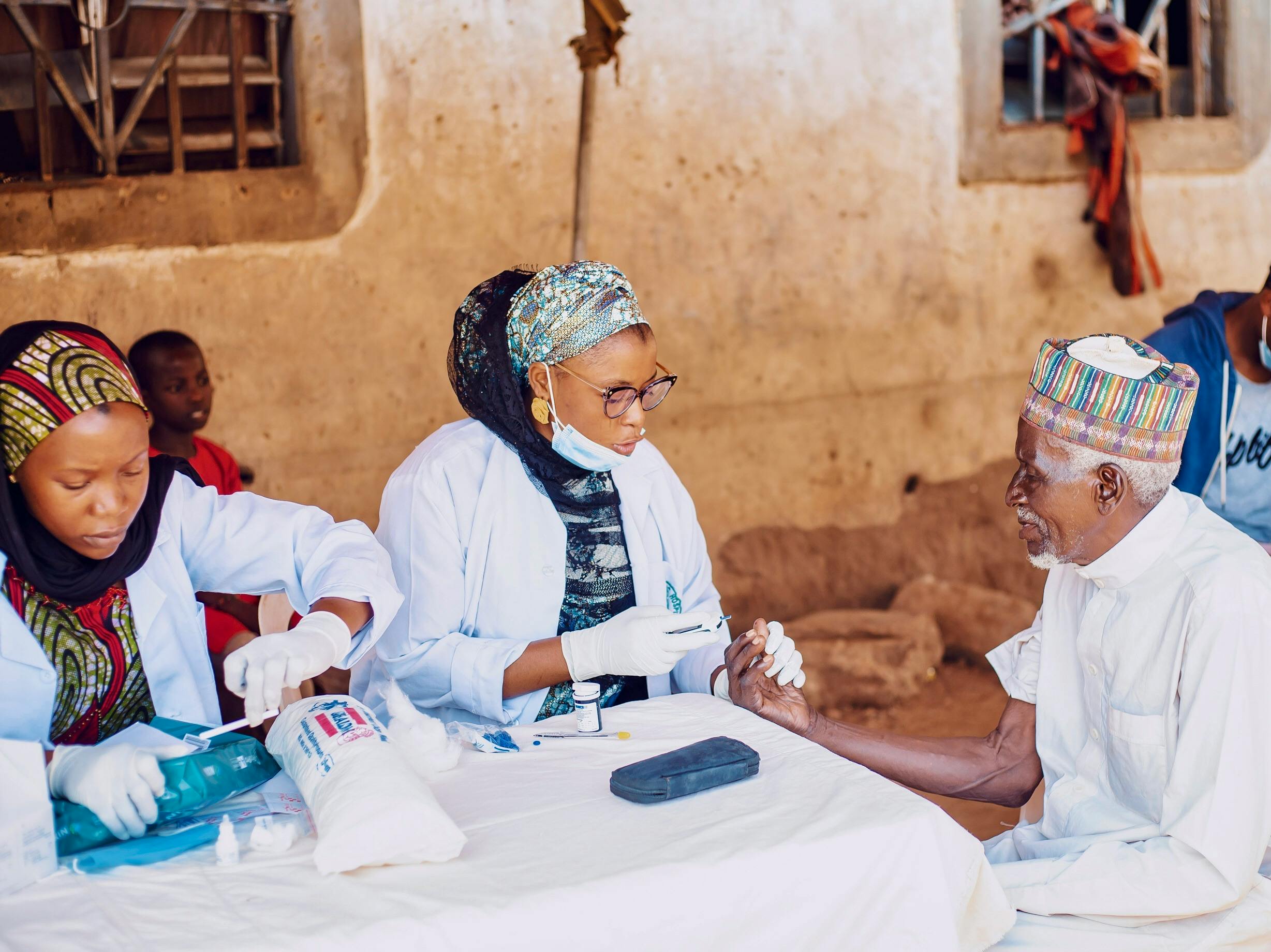
A Global Health Workforce Crisis
Healthcare workers represent the cornerstone of every health system. Doctors, nurses, midwives, laboratory technicians, community health workers, and other medical professionals are essential to delivering preventive services, diagnosing diseases, providing treatment, and responding to health emergencies.
Despite their central role in healthcare delivery, the world faces a significant and growing shortage of trained health professionals. According to the World Health Organization, the global health sector is expected to face a shortage of approximately 10 million healthcare workers by 2030, with the most severe shortages occurring in low- and middle-income countries.
These shortages significantly limit the capacity of health systems to provide essential medical services and contribute to persistent gaps in healthcare access across many regions of the world.
Global Distribution Inequalities
One of the most striking features of the global health workforce crisis is the unequal distribution of healthcare professionals between regions.
High-income countries typically maintain relatively dense healthcare workforces supported by strong medical education systems and stable healthcare infrastructure. In contrast, many low-income countries face critical shortages of healthcare personnel.
According to the World Health Organization:
Sub-Saharan Africa carries approximately 24% of the global disease burden, yet it possesses only about 3% of the global health workforce.
Many countries have fewer than one physician per 10,000 people, compared with more than 30 physicians per 10,000 people in many high-income countries.
These disparities severely constrain the ability of healthcare systems to meet the needs of growing populations.
Impact on Healthcare Delivery
The shortage of healthcare workers has direct consequences for the quality, availability, and safety of medical care.
In regions facing workforce shortages, healthcare professionals often work under extremely demanding conditions, managing large patient volumes with limited resources. This situation can lead to:
Long waiting times for medical care
Reduced access to specialized services
Increased workload and burnout among healthcare workers
Lower continuity of care for patients
In rural and underserved areas, the shortage may be even more pronounced, leaving entire communities without consistent access to trained medical personnel.
The Role of Community Health Workers
In many low-resource settings, community health workers play an important role in extending healthcare services to populations that are difficult to reach through traditional healthcare facilities.
Community health workers often provide essential services such as:
Basic health education
Vaccination support
Monitoring of maternal and child health
Identification of infectious disease cases
Referral of patients to healthcare facilities
Strengthening community-based health workforces has become an important strategy in expanding access to healthcare in underserved regions.
Drivers of the Workforce Shortage
Several factors contribute to the global shortage of healthcare professionals.
Limited Medical Education Capacity
In many countries, medical and nursing schools face limitations in faculty, training facilities, and funding. These constraints restrict the number of healthcare professionals that can be trained each year.
Migration of Healthcare Workers
Healthcare professionals often migrate from lower-income countries to higher-income countries in search of better working conditions, salaries, and career opportunities. While migration can benefit individual professionals, it can also contribute to workforce shortages in countries that already face limited healthcare capacity.
Unequal Urban–Rural Distribution
Even within countries, healthcare workers tend to concentrate in urban areas where professional opportunities, infrastructure, and living conditions are more favorable. As a result, rural populations often experience the most severe shortages of medical personnel.
Working Conditions and Burnout
Healthcare professionals working in under-resourced health systems frequently face challenging working environments, including high patient loads, limited equipment, and inadequate compensation. These factors can lead to burnout and attrition from the healthcare workforce.
Strengthening the Global Health Workforce
Addressing the global shortage of healthcare workers requires coordinated efforts across education, health policy, and workforce planning.
Key strategies include:
Expanding medical and nursing education capacity
Strengthening training programs for community health workers
Improving working conditions within health systems
Supporting equitable distribution of healthcare professionals across regions
Enhancing international collaboration on health workforce development
Strengthening the health workforce is widely recognized as a critical component of achieving universal health coverageand improving global health outcomes.
Sources:
World Health Organization
World Bank