Disease Prevention & Community Health Education
Preventive healthcare and community education are powerful tools in reducing the burden of disease worldwide.
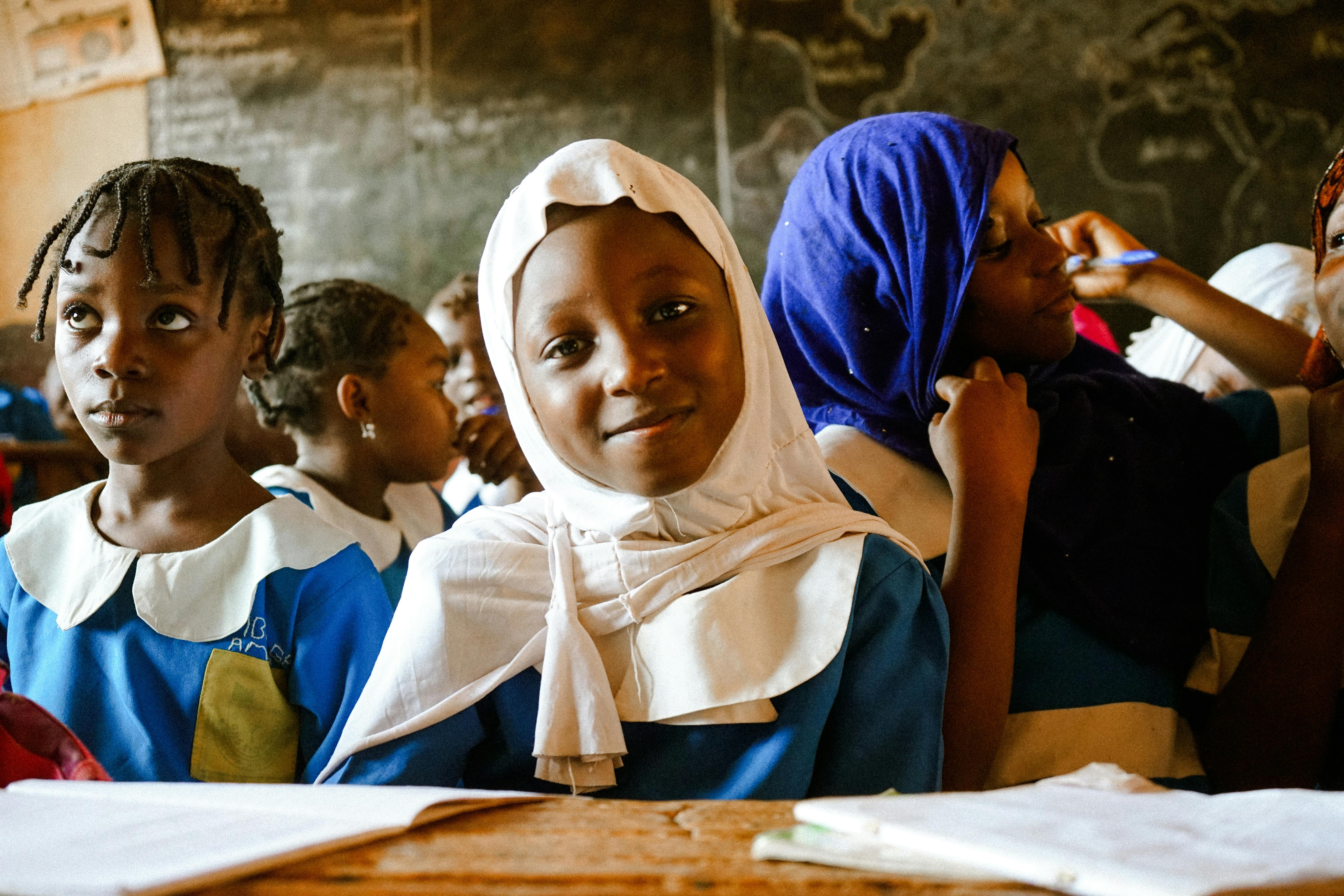
Strengthening Prevention and Public Health Awareness
Preventive healthcare and community health education are essential components of effective health systems. Many of the most common causes of illness and death worldwide—including infectious diseases, nutritional deficiencies, and hygiene-related conditions—can be significantly reduced through improved prevention strategies and public health awareness.
Despite advances in medicine and global health initiatives, preventable diseases continue to affect millions of people each year, particularly in regions where healthcare access is limited and health literacy remains low.
According to the World Health Organization, a large proportion of the global disease burden is linked to conditions that could be prevented through relatively simple interventions such as vaccination, improved sanitation, early screening, and community health education.
Empowering communities with knowledge about preventive healthcare practices plays a critical role in reducing disease transmission and improving long-term population health outcomes.
Program Overview
The Disease Prevention & Community Health Education Program focuses on strengthening preventive health practices at the community level. Through educational initiatives, outreach activities, and partnerships with local health systems, the program aims to increase awareness of key health risks and promote behaviors that support disease prevention.
Community-based prevention strategies are widely recognized as one of the most effective approaches to reducing the incidence of preventable diseases. By increasing awareness of health risks and improving access to preventive services, communities can better protect themselves against common health threats.
This program seeks to promote sustainable public health improvements by encouraging community engagement, strengthening health literacy, and supporting preventive health interventions.
Key Areas of Intervention
Infectious Disease Awareness
Infectious diseases such as malaria, tuberculosis, and other communicable illnesses remain major health concerns in many regions of the world. Public awareness of disease transmission, symptoms, and prevention strategies is essential to reducing the spread of these conditions.
Educational initiatives may focus on increasing awareness of common infectious diseases, promoting early recognition of symptoms, and encouraging timely access to healthcare services when needed.
Improving community knowledge about infectious diseases can help reduce transmission and support earlier diagnosis and treatment.
Hygiene and Sanitation Promotion
Poor sanitation and limited access to safe water contribute significantly to the spread of many infectious diseases. Conditions such as diarrheal diseases, parasitic infections, and other preventable illnesses are often linked to inadequate hygiene practices.
Community health education programs frequently emphasize the importance of hand hygiene, safe food preparation, and access to clean water. These simple preventive measures can significantly reduce the incidence of many common illnesses.
Improving hygiene practices at the household and community level represents one of the most effective strategies for reducing disease transmission.
Vaccination Awareness
Vaccination remains one of the most effective public health interventions for preventing infectious diseases. Global vaccination programs have successfully reduced the incidence of diseases such as measles, polio, and tetanus.
However, barriers to vaccination—including limited healthcare access, misinformation, and logistical challenges—continue to affect many communities.
Educational initiatives that promote awareness of vaccination benefits can help increase vaccine uptake and strengthen community protection against preventable diseases.
Nutrition and Preventive Health
Nutrition plays a vital role in maintaining immune function and overall health. Poor nutrition increases vulnerability to infections and contributes to many chronic health conditions.
Community health education initiatives often include information on balanced nutrition, infant feeding practices, and strategies to prevent nutritional deficiencies.
Improving nutritional awareness within communities can contribute to better health outcomes across all age groups.
Community Engagement and Local Partnerships
Effective disease prevention requires strong collaboration with communities and local health systems. Community health workers, local organizations, and healthcare providers often play an important role in delivering health education and promoting preventive practices.
Partnerships with local stakeholders help ensure that health education initiatives are culturally appropriate, accessible, and sustainable.
Community engagement also helps build trust between healthcare providers and local populations, which is essential for the success of preventive health programs.
Why Prevention Matters
Preventive healthcare represents one of the most effective and cost-efficient strategies for improving public health outcomes. By reducing the incidence of preventable diseases, health systems can alleviate pressure on medical facilities while improving the well-being of communities.
Strengthening prevention and health education initiatives helps empower individuals to take an active role in protecting their health and the health of their families.
Promoting preventive healthcare practices therefore contributes to stronger, healthier communities and more resilient health systems.