Maternal, Child & Family Health
Supporting maternal and child health initiatives can help expand access to essential care and strengthen the health of families and communities.
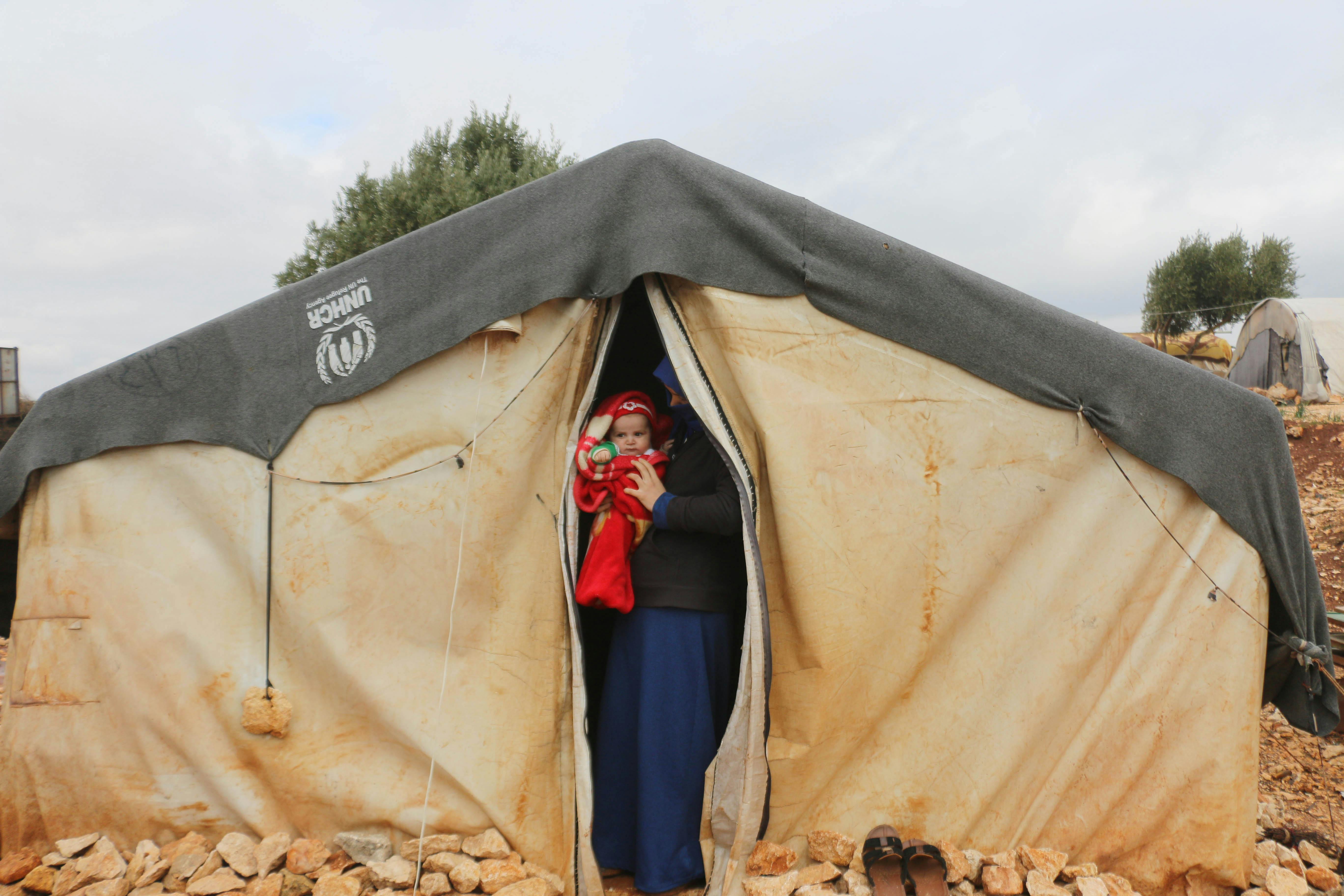
Protecting Mothers, Newborns, and Children
Maternal and child health remains one of the most critical priorities in global public health. Despite significant progress over the past decades, preventable deaths during pregnancy, childbirth, and early childhood continue to affect millions of families worldwide.
According to the World Health Organization, approximately 287,000 women died from pregnancy-related causes in 2020, with the vast majority of these deaths occurring in low- and middle-income countries. Many of these deaths could have been prevented with timely access to quality healthcare services.
Newborns and young children face similar vulnerabilities. Data from UNICEF indicate that over 5 million children under the age of five die every year, often from preventable causes such as infections, complications at birth, or malnutrition.
Limited access to prenatal care, shortages of skilled birth attendants, and weak health systems contribute significantly to these outcomes. In many underserved communities, healthcare facilities may be located far from where families live, while economic and social barriers further limit access to essential services.
Improving maternal and child health requires comprehensive approaches that address healthcare access, preventive care, and community education.
Program Overview
The Maternal, Child & Family Health Program focuses on supporting initiatives that promote safe pregnancies, healthy childbirth, and early childhood development.
Through community-based healthcare initiatives and partnerships with local health systems, this program seeks to strengthen access to essential maternal and child health services.
The program prioritizes interventions that improve maternal health monitoring, support newborn care, and enhance access to preventive services for children and families.
By addressing health challenges during the earliest stages of life, maternal and child health initiatives contribute to improving long-term population health and reducing preventable mortality.
Key Areas of Intervention
Prenatal and Antenatal Care
Access to prenatal care is a critical factor in improving maternal and newborn health outcomes. Regular prenatal consultations allow healthcare professionals to monitor the progress of pregnancy, detect potential complications, and provide essential health guidance to expectant mothers.
Prenatal care services may include:
• monitoring maternal health indicators
• screening for pregnancy-related complications
• nutritional guidance and supplementation
• education on safe pregnancy practices
Early and consistent prenatal care significantly reduces the risk of complications during pregnancy and childbirth.
Safe Pregnancy and Childbirth Support
Safe childbirth requires the presence of trained healthcare professionals and access to appropriate medical facilities. However, in many parts of the world, women continue to give birth without skilled medical assistance.
Programs that support safe pregnancy and childbirth aim to improve awareness of maternal health services, strengthen referral systems, and encourage timely access to healthcare facilities when needed.
These efforts help reduce the risks associated with pregnancy complications and improve outcomes for both mothers and newborns.
Newborn and Early Childhood Health
The first years of life are critical for healthy development. Newborns and infants are particularly vulnerable to infections, nutritional deficiencies, and environmental risks.
This program supports initiatives aimed at improving newborn care and early childhood health monitoring. These efforts may include health assessments, vaccination awareness, and early detection of medical conditions affecting infants and young children.
Ensuring that children receive appropriate care during their early years plays a key role in reducing preventable childhood illnesses.
Family Health Education
Health education is an essential component of maternal and child health programs. Families who are informed about preventive healthcare practices are better equipped to protect the health of mothers and children.
Educational initiatives may focus on topics such as:
• maternal nutrition and prenatal care
• infant feeding and breastfeeding practices
• childhood vaccination awareness
• hygiene and disease prevention
Community-based health education helps strengthen the ability of families to make informed health decisions.
Strengthening Community Health Systems
Maternal and child health initiatives are most effective when integrated within local healthcare systems. Collaboration with community health workers, local clinics, and regional health authorities helps ensure continuity of care and long-term sustainability.
Community health workers often play a critical role in identifying vulnerable families, providing health education, and facilitating referrals to healthcare facilities when necessary.
By strengthening connections between communities and healthcare providers, maternal and child health programs contribute to more resilient and accessible health systems.
Why Maternal & Child Health Matters
Improving maternal and child health outcomes is essential for achieving broader global health goals. When mothers receive adequate healthcare and children have access to early health services, families and communities benefit from improved well-being and stronger development outcomes.
Efforts to improve maternal and child health contribute not only to reducing mortality but also to promoting healthier, more resilient communities.
Investing in the health of mothers and children represents one of the most effective ways to improve long-term public health outcomes worldwide.